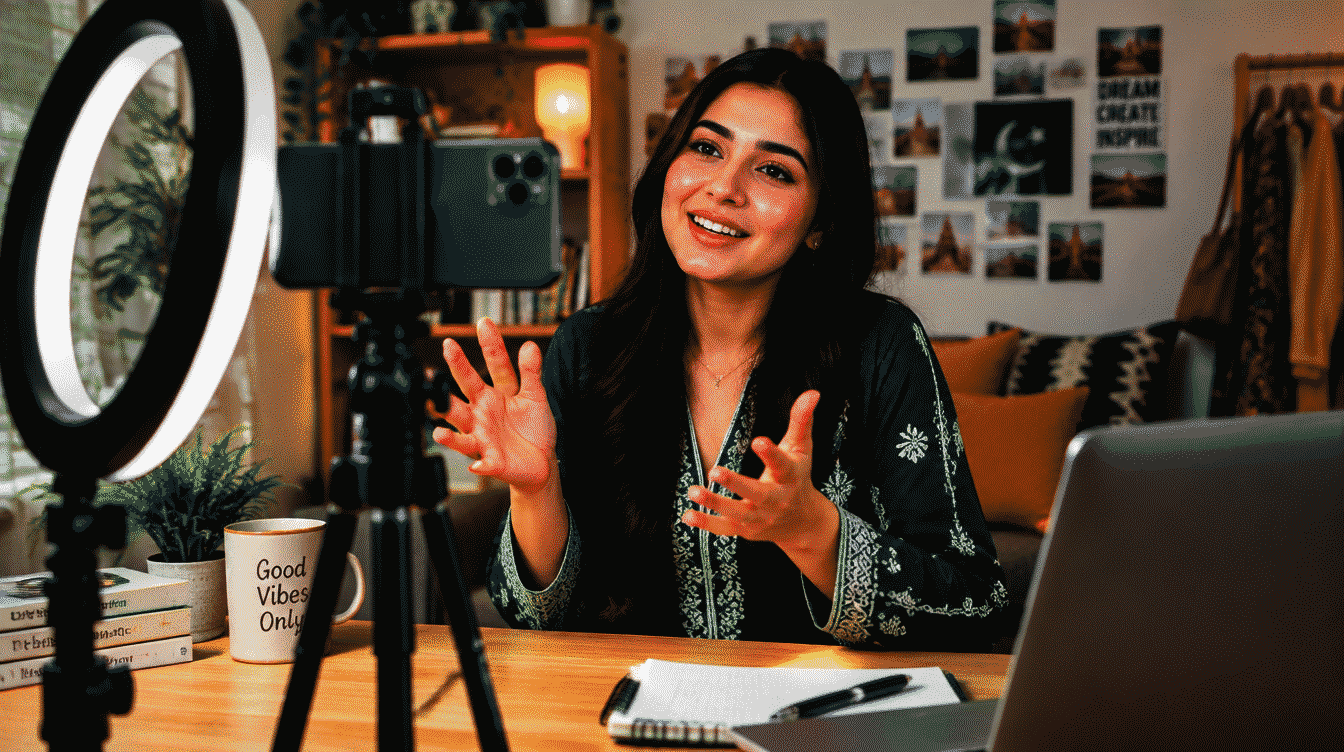
A decade ago, "YouTuber" wasn't a serious answer to "what do you do for work" in most Pakistani households. Today, it's a genuine income source for a growing number of people - vloggers, tech reviewers, comedians, educators, and niche specialists across food, gaming, and commentary - and brands increasingly treat creator partnerships as a real line item, not an experiment.
What Actually Changed
Three things converged to make this possible. Smartphone and data costs dropped enough that both creating and consuming video content became accessible far beyond major cities. Platform monetization matured - YouTube's Partner Program, TikTok's Creator Fund and live-gifting, and Instagram's Reels bonuses all created direct payout paths, even if payout rates and eligibility vary by region. And brands shifted ad spend toward influencer marketing, recognizing that a creator with a genuinely engaged niche audience often outperforms a traditional ad for specific campaign goals - awareness, trust, and conversion in ways a billboard or TV spot can't replicate.
How Pakistani Creators Actually Make Money
Platform ad revenue (YouTube AdSense being the most established) is often the first income stream, but rarely the primary one for creators who go full-time - regional CPM (cost per thousand views) rates tend to be lower than US/European markets, so view count alone often isn't enough.
Brand partnerships and sponsored content typically become the larger revenue source once a creator has a defined, engaged audience - a tech reviewer with 50,000 highly engaged subscribers in a specific niche is often more valuable to a relevant brand than a generalist channel with a much larger but less targeted audience.
Services and products - many creators eventually monetize their skills directly: video editing, content strategy consulting, or their own digital products (courses, presets, templates) - turning an audience into a customer base for something beyond ad views.
Affiliate and referral income, particularly common among tech and shopping-focused creators, where a commission is earned on purchases made through a shared link or code.
The Real Obstacles, Not the Polished Version
Payment infrastructure remains a genuine friction point. PayPal has never launched full personal-account support in Pakistan, which historically complicated receiving payments from platforms and international brands that default to it - creators typically work around this through Payoneer, direct bank wire, or platform-specific alternate payout methods, but it's an added step most creators in other markets don't have to think about.
Inconsistent income makes this a genuinely risky full-time bet early on - platform algorithm changes, a brand deal falling through, or a slow month of views can meaningfully affect income for someone without other revenue streams, which is why many serious creators treat it as a side income for longer than outside observers assume before transitioning fully.
Brand-creator matching is often inefficient. Many small and mid-sized businesses in Pakistan want to work with creators but don't know how to find the right fit for their niche and budget, while creators with real, engaged audiences often lack a straightforward way to be discovered by brands actually looking to spend - this mismatch is a genuine market inefficiency, not a lack of demand on either side.
Where VPD Fits In
This exact matching problem - creators with real audiences, and brands or organizations who want to reach them but don't know where to start - is what VPD's <a href="https://visionpakistan.digital/find-creators">Find Creators</a> directory is built around: a way for creators to be discoverable by name, niche, and audience rather than relying entirely on cold outreach or personal networks, and for brands to search by category instead of guessing.
What This Means If You're Considering It
Starting a content channel with the primary goal of "going viral and getting rich" is usually the wrong framing - the creators who build something sustainable typically start from a genuine, specific interest or expertise, are consistent for far longer before seeing meaningful traction than most people expect, and treat the audience-building phase as the actual product, with monetization following once that audience is real and engaged rather than the other way around.
Conclusion
Pakistan's creator economy has moved well past its novelty phase into a real, if still-maturing, part of the digital economy - complete with real income opportunities and real structural friction points around payments and discoverability. For creators, understanding the actual monetization paths (and their limits) matters more than chasing viral moments. For brands, the opportunity increasingly isn't whether to work with creators, but how to find the right one efficiently.
Frequently Asked Questions
Can you actually make a full-time living as a content creator in Pakistan?
Yes, a growing number of creators do, but it typically requires combining multiple income streams - platform ad revenue, brand deals, and often a service or product - rather than relying on any single source, and it usually takes longer to reach than outside observers assume.
Why can't Pakistani creators just use PayPal like creators elsewhere?
PayPal has never enabled full personal-account functionality for Pakistan, so most creators receive international payments through alternatives like Payoneer, direct bank wire transfer, or a platform's own regional payout method instead.
What's the difference between a creator with a large following and one with a niche, engaged audience, from a brand's perspective?
A brand targeting a specific product or service often gets better results from a smaller creator whose audience closely matches its target customer than from a larger, more general audience with lower relevance - engagement and audience fit typically matter more than raw follower count for conversion-focused campaigns.
How do brands in Pakistan usually find creators to work with?
Historically, mostly through personal networks, direct DMs, or informal recommendations - which is inefficient for both sides. Dedicated creator directories that let brands search by niche and let creators be discovered on their own profile are a more recent and more efficient alternative.
Is it too late to start as a content creator in Pakistan?
No - new niches and formats continue to open up as platforms evolve, and audience attention hasn't consolidated around a fixed, closed set of creators. Starting from a genuine area of interest or expertise, rather than chasing whatever is trending, remains a reasonable path in for a new creator today.