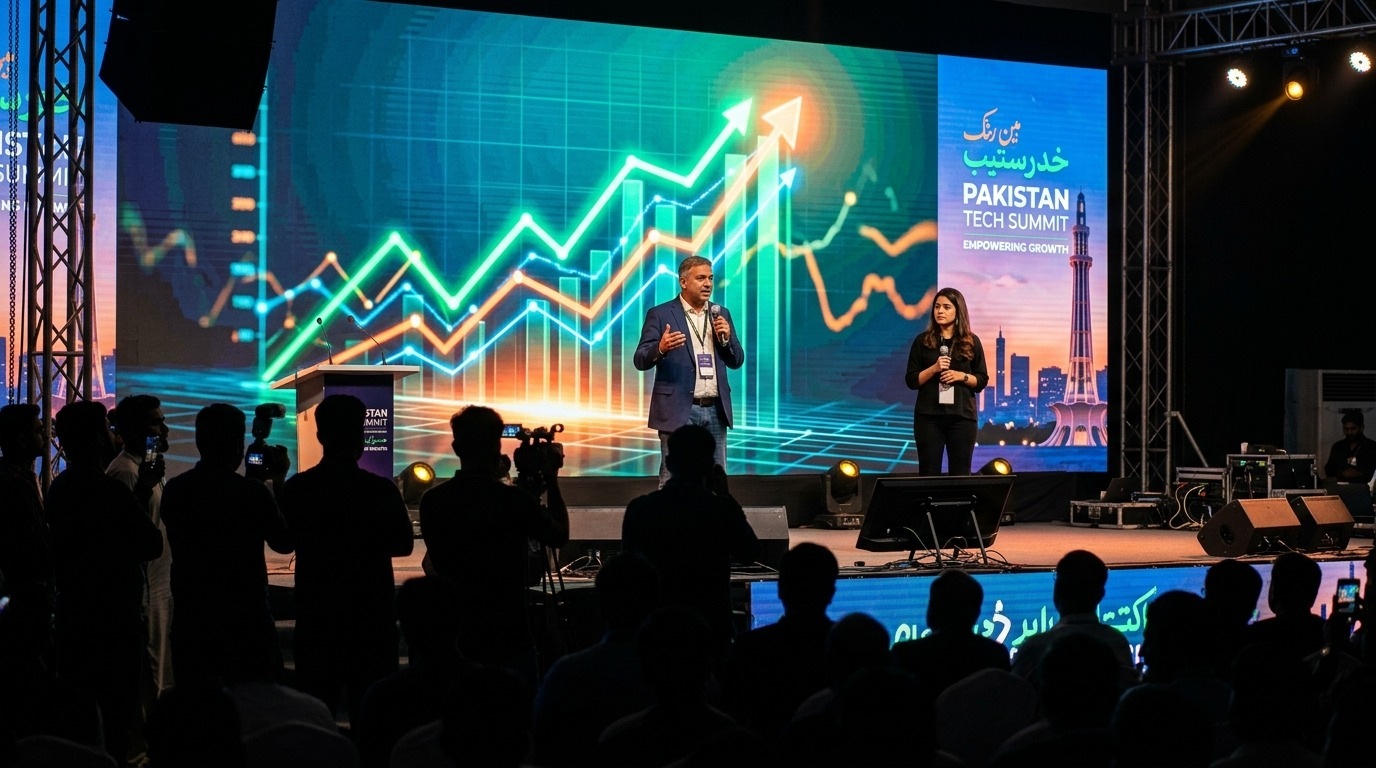
Pakistan's tech sector gets discussed in two very different registers. One is the optimistic version - a young population, a large freelance workforce, a growing IT export base, and periodic headlines about a startup raising a notable funding round. The other is more cautious - a sector still constrained by internet reliability issues, currency volatility that complicates foreign investment, and funding cycles that swing sharply based on global venture capital sentiment rather than purely domestic performance.
Both versions contain some truth, and the actual picture in any given year depends on current, specific data rather than either narrative on its own. This article does not cite specific funding figures, named funding rounds, or company-level milestones for the current year, because doing so without a verified, dated source would mean presenting unconfirmed claims as fact. Instead, it lays out the structural pieces that make up Pakistan's tech ecosystem, what tends to drive genuine progress or setbacks in each, and exactly where to verify what's actually happened this year.
What "Tech Ecosystem" Actually Includes in Pakistan's Context
"Tech ecosystem" is a broad term, and in Pakistan's case it spans several fairly distinct groups: registered startups raising formal venture capital, the much larger IT services and software export industry built on client contracts rather than investor funding, an enormous informal freelance workforce serving international clients through platforms, and an emerging fintech and digital payments layer built around mobile wallets and digital banking. These groups often get discussed together under one "tech sector" label, but they respond to different pressures and grow at different rates, so a milestone in one doesn't necessarily reflect progress in another.
Startup Funding: A Volatile, Cyclical Story
Pakistani startup funding has historically moved in cycles tied closely to global venture capital sentiment, particularly in categories like e-commerce, logistics, and fintech that attracted significant regional investor interest in prior years before a broader pullback in venture funding affected emerging markets generally, Pakistan included. Notable past funding rounds and a small number of startups that reached unicorn-level valuations put Pakistan on the radar of regional investors, though the sector has also seen high-profile setbacks, including companies that scaled quickly and then had to significantly restructure or shut down.
Whether the current year represents a funding recovery, continued caution, or a mixed picture by sector is a factual question that depends on tracking actual, dated funding announcements rather than assuming a trend continues indefinitely in either direction. [VERIFY: current year's notable Pakistani startup funding rounds and total venture capital deployed, checked against outlets such as Ignite's National Incubation Centers, i2i (Invest2Innovate), or startup-focused Pakistani business publications.]
The Incubator and Accelerator Layer
A meaningful part of Pakistan's early-stage startup support comes through incubators and accelerators, most notably Ignite (formerly the National ICT R&D Fund) and its network of National Incubation Centers across major cities, alongside university-affiliated incubators and private accelerator programs. These programs matter less for headline funding numbers and more for the pipeline of founders and early-stage companies they support before those companies are ready for formal investment.
The genuine measure of progress here is less about any single milestone and more about consistency - whether these programs continue producing founders and companies that go on to raise funding, generate revenue, or export services, year over year. [VERIFY: current activity, cohort outcomes, and any newly announced programs from Ignite's National Incubation Centers for the current year.]
IT Exports and the Freelance Economy
Beyond formally funded startups, Pakistan's IT services export industry and its large freelance workforce represent a much bigger, steadier part of the tech ecosystem by revenue, even though it gets less headline attention than funding announcements. This includes software development agencies and outsourcing firms serving international clients under direct contracts, as well as individual freelancers working through platforms serving clients abroad.
This segment tends to grow more steadily than the venture-funded startup segment because it isn't dependent on investor sentiment, but it's also harder to track precisely, since a meaningful share of freelance income doesn't fully show up in formal export statistics. [VERIFY: current year IT and IT-enabled services export figures from the Pakistan Software Export Board (PSEB) and the State Bank of Pakistan.]
Fintech and Digital Payments
Digital payments and fintech represent one of the more consistently discussed growth areas in Pakistan's tech sector, driven by rising smartphone penetration, mobile wallet adoption, and State Bank of Pakistan initiatives around digital banking, including the licensing of digital-only banks in recent years. Growth here tends to be measured through transaction volume, active mobile wallet accounts, and the pace of digital banking license rollouts and adoption, rather than a single defining event.
For a country where a large share of the population remains outside formal banking access, genuine progress in this sector has real economic significance beyond the tech industry itself. [VERIFY: current year State Bank of Pakistan data on digital payment volumes, mobile wallet growth, and digital banking rollout status.]
E-Commerce and Digital Retail
Pakistan's e-commerce sector has grown alongside rising internet and smartphone penetration, with growth historically concentrated in categories like fashion, electronics, and groceries, and increasingly supported by improved logistics and cash-on-delivery infrastructure, which remains the dominant payment method for a large share of online purchases despite digital payment growth elsewhere. Whether this sector's growth accelerated, plateaued, or contracted in the current year depends on current retail and logistics data rather than general assumptions based on prior years. [VERIFY: current year Pakistan e-commerce sector data, from sources such as the Pakistan Bureau of Statistics or industry reports from Pakistani e-commerce associations.]
Policy and Infrastructure Factors That Actually Matter
Regardless of which specific segment of the tech ecosystem is being discussed, a small number of structural factors tend to determine whether genuine progress happens in a given year.
Internet connectivity and reliability
Internet shutdowns, throttling, or reliability issues directly affect freelancers meeting client deadlines, startups running online services, and e-commerce businesses processing orders, making connectivity policy one of the most immediate, practical factors affecting the sector's day-to-day functioning, distinct from longer-term growth trends.
Regulatory clarity for startups and foreign investment
Clear, consistent rules around foreign investment, startup incorporation, and repatriation of investor returns materially affect whether international venture capital is willing to invest in Pakistani startups. Regulatory uncertainty has been cited repeatedly by investors and founders as a factor weighing on the sector's growth relative to regional peers with clearer frameworks.
Talent pipeline and brain drain
Pakistan produces a substantial number of computer science and engineering graduates annually, but a recurring concern in the sector is how much of that talent pipeline leaves for opportunities abroad rather than building or joining companies domestically. The balance between talent emigration and talent retention is a genuine long-term factor in whether the ecosystem can sustain growth, separate from any single year's funding numbers.
How to Track This Yourself, With Verified Sources
Given how quickly this landscape shifts and how much of the meaningful data requires current verification, the most reliable approach is going directly to primary and specialized sources. Ignite's National Incubation Centers, the Pakistan Software Export Board, and the State Bank of Pakistan publish periodic sector updates, while Pakistani business and technology publications provide more frequent, deal-level reporting on funding announcements as they happen. For general awareness of Pakistan's broader digital and startup landscape alongside VPD's own platform updates, VPD's blog covers related developments as they're verified.
Conclusion
Pakistan's tech ecosystem in any given year is genuinely made up of several different stories moving at different speeds: a startup funding environment that swings with global venture sentiment, a steadier IT services and freelance export base, a fintech sector gradually expanding digital payment access, and a policy and infrastructure layer that shapes how much of this potential actually converts into growth. Which specific milestones happened this year is a factual question, and readers making decisions based on this topic, whether as a founder, investor, or student, should verify current figures directly rather than relying on general sector narrative.
Frequently Asked Questions
What counts as Pakistan's "tech ecosystem"?
It spans formally funded startups, the broader IT services and software export industry, the freelance economy serving international clients, and the fintech and digital payments sector, each of which grows and responds to different pressures.
Is Pakistani startup funding growing this year?
Pakistani startup funding has historically moved in cycles tied to global venture capital sentiment. Whether the current year represents growth, stability, or decline should be verified against current, dated funding reports rather than assumed from prior-year trends.
What is Ignite's role in Pakistan's tech ecosystem?
Ignite (formerly the National ICT R&D Fund) runs a network of National Incubation Centers across major Pakistani cities, supporting early-stage founders and startups before they're ready for formal investment.
How significant is Pakistan's freelance economy to the tech sector?
It's a substantial and steadily growing part of the sector by revenue, though it's harder to measure precisely than formal startup funding since a meaningful share of freelance income isn't fully captured in official export statistics.
What affects whether foreign investors fund Pakistani startups?
Regulatory clarity around foreign investment, startup incorporation, and the ability to repatriate investment returns are frequently cited by investors as key factors, alongside broader currency and macroeconomic stability.
Where can I find verified data on Pakistan's tech sector this year?
The Pakistan Software Export Board, the State Bank of Pakistan, Ignite's National Incubation Centers, and established Pakistani business and technology publications are appropriate sources for current, verified figures.