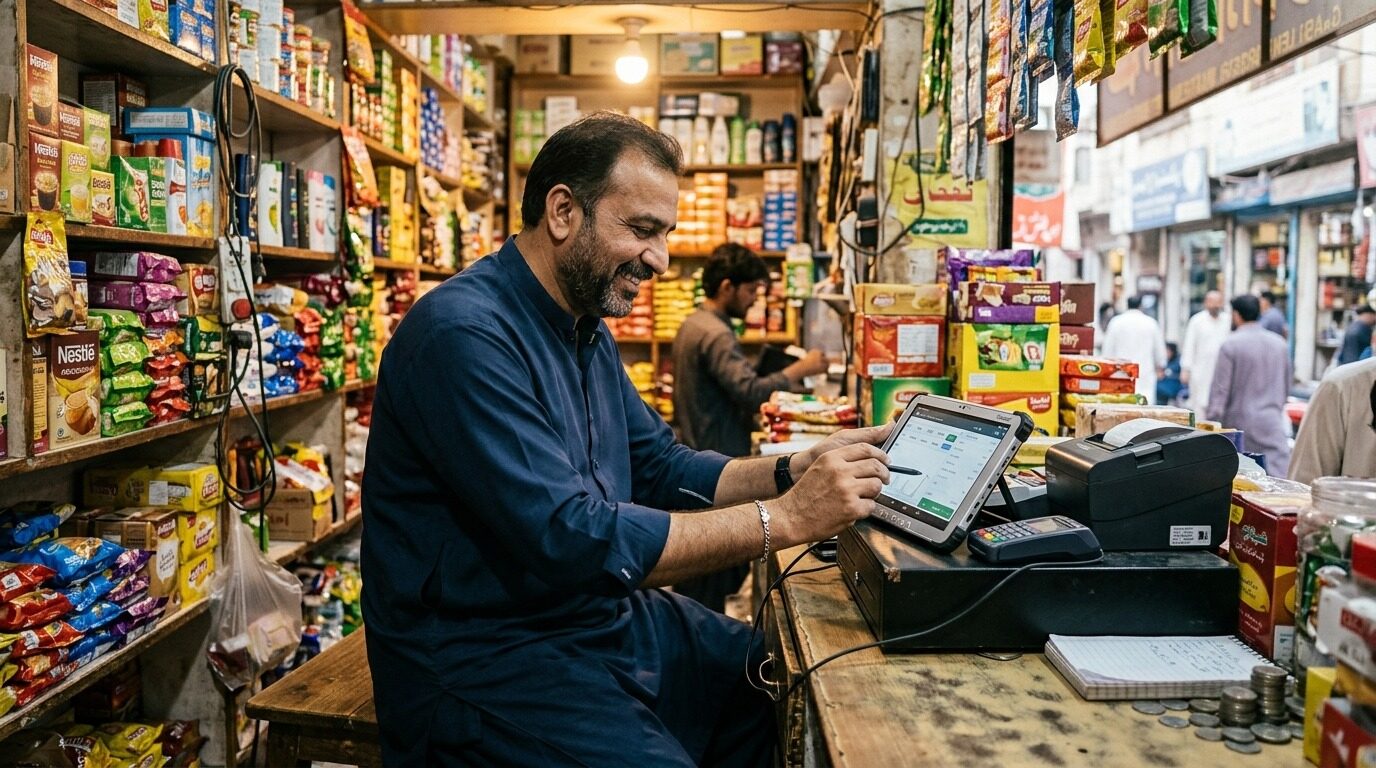
A large retail chain can afford a dedicated call center, a marketing department, and a customer service team working in shifts around the clock. A small business selling through a single Instagram page and a WhatsApp number in Faisalabad has none of that - usually just the owner and maybe one or two employees, trying to answer every message, process every order, and follow up on every lead themselves, on top of actually running the business.
For years, that resource gap was simply the cost of being small. A big brand's advantage in staffing, consistency, and availability was structural, and there wasn't much a smaller competitor could do about it beyond working longer hours. That's changed meaningfully over the past few years, not because small businesses suddenly have bigger budgets, but because a set of automation tools that used to require enterprise budgets and technical teams has become accessible enough for a business with a handful of employees to actually use.
This article looks at where Pakistani small businesses are automating first, what these tools realistically do and don't replace, and how to start without over-investing in the wrong thing.
Why Big Brands Have Historically Had the Advantage
The advantage was never really about better ideas or better products. It was about capacity - the ability to respond to every customer instantly, follow up on every lead without anything falling through, and maintain the same quality of service on the business's worst day as its best one. A small team, no matter how dedicated, has a hard ceiling on how many conversations it can hold at once, and that ceiling used to be the practical limit on how competitive a small business could be on service and responsiveness.
What "Automation" Actually Means for a Small Business
For a small business, automation rarely means replacing people. It means using software to handle the repetitive, predictable parts of the business - answering the same handful of questions, logging a lead the moment it comes in, sending a follow-up message on schedule - so that the owner or small team can focus their limited time on the parts of the business that genuinely need human judgment: closing sales, handling complaints, and building relationships with customers.
Where Pakistani SMEs Are Automating First
Customer support and WhatsApp response
Because WhatsApp is where most Pakistani consumers already message businesses, it's typically the first place automation gets adopted. A configured chatbot can answer the recurring questions - price, availability, delivery time, store hours - instantly and at any hour, while flagging anything more complex for a human to handle personally. This alone often closes a meaningful part of the responsiveness gap with larger competitors, since speed of first response is one of the biggest factors in whether a browsing customer becomes a paying one.
Lead capture and follow-up
A common failure point for small businesses isn't a lack of interest from customers - it's leads that come in and simply get forgotten because there's no system tracking them. A basic CRM setup that automatically logs every inquiry and triggers a follow-up reminder or message closes this gap without requiring a dedicated sales team. VPD's custom CRM service is one option small businesses use to get this kind of structured lead tracking in place without building it themselves from scratch.
Phone call handling
Missed calls are a quieter version of the same lead-loss problem - a customer who calls, doesn't get through, and simply calls the next business on their list instead. Voice AI agents that can answer common questions, take a message, or even complete simple bookings over the phone are increasingly used by small businesses to make sure a missed call doesn't automatically mean a missed sale. VPD's voice agents service reflects the kind of setup businesses are adopting here.
Repetitive marketing tasks
Sending order confirmations, delivery updates, and basic follow-up messages by hand doesn't scale past a small number of daily orders. Automating these routine communications frees up time that would otherwise go into repetitive typing, without changing the substance of what's communicated to the customer.
What Automation Doesn't Replace
None of this replaces the things that genuinely require a person - resolving a customer complaint that needs empathy and judgment, negotiating a custom order, or building the kind of relationship that turns a first-time buyer into a repeat customer. Automation's real value for a small business is removing the repetitive load that eats up time, not removing the human parts of the business that actually build loyalty and trust. Businesses that try to automate everything, including the conversations that need a human touch, tend to damage the trust that's often their biggest advantage over a larger, more impersonal competitor in the first place.
A Realistic Starting Point for a Small Business
Rather than automating everything at once, it helps to start with whichever single bottleneck is costing the most time or losing the most business right now. For many Pakistani SMEs, that's the WhatsApp inbox getting overwhelmed with repetitive questions during peak hours. For others, it's leads going cold because nobody follows up within a reasonable window. Identifying and automating that one bottleneck first, seeing the actual impact, and then expanding from there tends to work better than adopting an entire automation stack before knowing which part of the business actually needs it most.
Avoiding the Common Automation Mistakes
The most frequent mistake is automating a broken process instead of fixing it first - a badly designed chatbot answering with outdated information is worse than no chatbot at all, because it actively frustrates customers rather than simply being slow. A second common mistake is under-maintaining the automation after setup: prices change, products go out of stock, and policies get updated, and an automated system needs someone responsible for keeping its underlying information current. Automation reduces manual work, but it doesn't eliminate the need for oversight entirely.
Conclusion
The gap between small businesses and big brands in Pakistan was never really about ideas or product quality - it was about capacity to respond quickly and consistently at scale. Automation tools that used to be out of reach for a small team are now accessible enough to close a meaningful part of that gap, particularly around customer response, lead follow-up, and repetitive communication. The businesses getting real value from this aren't automating everything at once - they're identifying their biggest bottleneck, automating that first, and keeping a human at the center of everything that actually needs judgment or trust.
If you're deciding where to start, the practical next step is tracking a week of your own business's repetitive tasks and identifying the single one costing you the most time or the most lost business. From there, VPD's chatbots, CRM, and voice agents services each address a different part of that automation stack, depending on which bottleneck you're solving for first.
Frequently Asked Questions
Is automation only for large businesses with big budgets?
No. Many automation tools relevant to small businesses, particularly WhatsApp chatbots and basic CRM systems, are now accessible to businesses with just a handful of employees and a modest budget.
What should a small business automate first?
Whichever single task is currently costing the most time or losing the most business - commonly an overwhelmed WhatsApp inbox or leads that go cold without follow-up. Starting with one clear bottleneck works better than automating everything at once.
Will automation make my business feel less personal to customers?
It can, if used carelessly for conversations that need a human touch. Used well, automation handles repetitive questions so staff have more time for the conversations that actually build customer relationships, rather than replacing those relationships.
Can a small business afford voice AI agents for phone calls?
Costs vary by provider and setup complexity, so it's worth getting a direct quote based on your call volume and needs rather than assuming it's out of reach without checking.
How do I know if my automation setup is actually working?
Track a concrete metric before and after - response time, number of leads followed up within a set window, or missed-call rate - rather than judging it by impression alone.
Does automation require technical knowledge to set up?
Basic tools can often be configured without deep technical skill, but a setup tailored to your specific products, policies, and customer patterns usually benefits from proper development support to avoid giving customers outdated or incorrect information.